All Categories
Featured
Analyzing AI Impact On Next-Gen Business Models
Table of Contents
Let's clarify with an example from consumer service: Expect a company moves from phone-based assistance to email or introduces a chatbot for after-hours inquiries. These are: utilizing technology to improve an existing procedure. In contrast,. Picture that exact same business embracing a completely automated, AI-powered support group. This new system provides 24/7 tailored service throughout channels like chat, email, and mobile apps.
Digital transformation basically alters the nature of assistance, making it more innovative, personal, and constantly offered. That's digital transformation: a basic shift in how worth is delivered through technology.
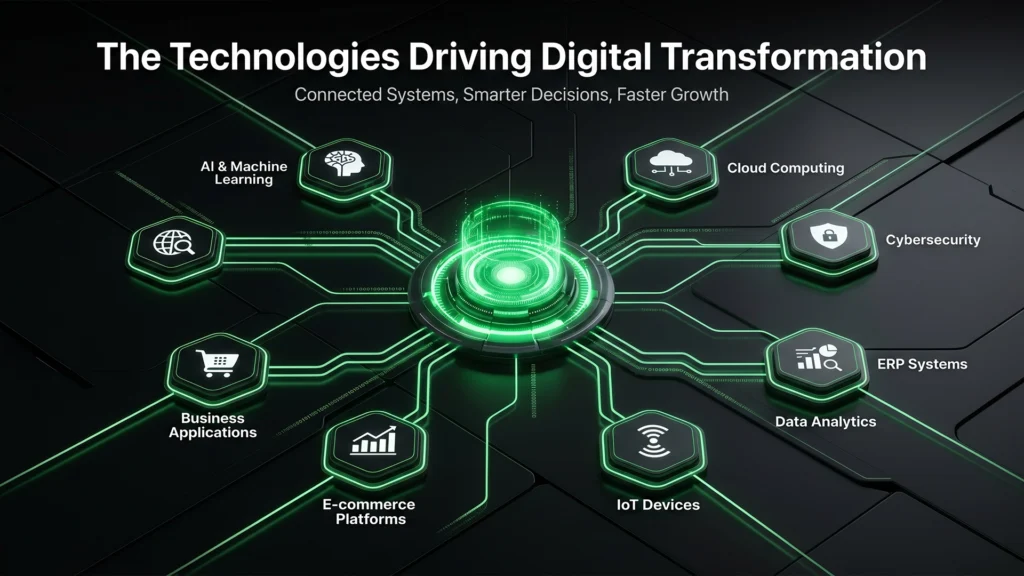
The majority of digital change efforts focus on these essential areas: Automated workflows replace manual procedures, minimizing mistakes, increasing effectiveness, and making it possible for employees to focus on higher-value jobs. Continually reconsidering how worth is provided by simplifying digital journeys, accelerating support, and individualizing experiences across all channels. Legacy systems typically sluggish development.
Advanced Cloud Tools for Scalable Innovation
Real-time data and analytics offer insights into efficiency and customer behavior, enabling smarter, much faster choices. Unifying platforms and procedures break down departmental silos, improves cooperation, and provides management a comprehensive view of operations. As connection increases, so do dangers. Enhancing security, securing information privacy, and meeting regulative requirements are important to lessening interruptions.
According to Harvard Business Evaluation, successful digital transformation tends to include five interconnected elements:: Getting the right management, culture, and skill in place.: Collecting tidy, high-quality information across systems.: Turning that data into functional insights through analytics.: Operationalizing insights across workflows, systems, and decisions.: Determining outcomes and refining techniques based upon performance.
Other well-established structures, like McKinsey's 7S model or BCG's Digital Velocity Index, also highlight the significance of aligning method, structure, and people to drive significant change. The exact framework matters less than guaranteeing all aspects of business are lined up and evolving together. The 5 main elements of digital change include individuals, data, insights, action and outcomes.

Key Steps to Realizing Total Digital Transformation
Here are some specific real-world advantages can you anticipate: Leveraging the most recent technologies allows you to reassess your entire organization model. Early adoption or pioneering new tools can help you approach challenges in special methods, grow market share, and stay ahead while competitors are still catching up. Digital change allows you to improve the client journey from start to complete.
How to Properly Optimize Your Cloud Integration JourneyAutomating manual tasks enhances workflows, lowers errors, and releases employees to focus on higher-value work. These efficiencies result in cost savings through much better resource allotment, less bottlenecks, and, in some cases, reduced staffing needs. Real-time information and integrated systems offer teams with improved visibility, permitting your business to react and adapt quickly to market changes, consumer demands, or internal obstacles.
Embracing innovative technology is pricey, specifically when establishing brand-new options. Beyond the innovation itself, training, recruitment, and unexpected downtime can include to expenses.
Without buy-in from management and personnel, digital change is most likely to stop working. Rolling out digital transformation simultaneously is barely practical: the scope is too broad and the risk is too expensive. But rolling out brand-new systems slowly can lead to combination problems with existing legacy infrastructure, resulting in data silos, traffic jams, and disappointment for workers and clients.
There's no single plan for digital improvement. Effective techniques do share some typical qualities: they're grounded in organization goals, flexible enough to evolve with emerging tech, and tailored to an organization's people, procedures, and market.
Mapping the 2026 AI and Digital RoadmapPractical Steps to Unlocking Total Digital Transformation
Start by recognizing the key outcomes you want to attain. Are you attempting to minimize costs, grow profits, improve customer experience, or build more durable infrastructure!.?.!? The most reliable techniques are created backwards from preferred results to the innovations and procedures that can provide them. Your technique may consist of several focus locations depending upon what you're attempting to accomplish:: Simplify processes utilizing automation, cloud migration, and AI-based optimization to decrease costs and improve speed.
: Introduce brand-new items, services, or shipment designs (like digital subscriptions, markets, or self-service platforms) to produce brand-new earnings streams.: Equip staff members with digital tools, make it possible for remote cooperation, and buy upskilling to support improvement from within.: Reinforce cybersecurity, improve compliance, and style systems that are more adaptable and fault-tolerant.

Latest Posts

Driving the Convergence of AI and Cloud Architecture
Top Steps for Implementing Transformative Cloud Tech
Navigating the 2026 Landscape of Digital Convergence